
Can't see the region you're looking for? You can find a list of our global locations here
Slips and falls are business risks hiding in plain sight. Slips and falls are the skeleton in everyone’s closet that no one wants to talk about until it’s far too late. But, ignoring it doesn’t make the risk disappear; it just makes the fallout worse when it happens.
In environments restaurants and retail spaces, one wrong step can lead to serious injuries, lawsuits, bad reviews, and potential lost revenue. For business owners, the question isn’t if a fall could happen; it’s when.
And when it does, it hits more than the floor. It hits your reputation, your compliance status, and ultimately your bottom line.
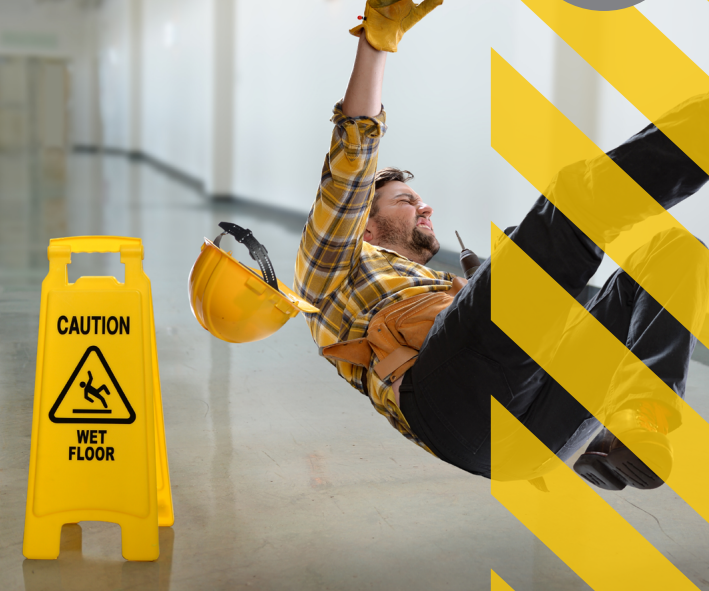
The real price tag of slips + trips
According to Safe Work Australia’s 2024 data, nearly 1 in 4 serious work-related injury claims are caused by slips, trips, or falls. This highlights the real risk in commercial environments, such as kitchens. In kitchens, most slips and falls aren’t caused by carelessness; they happen when contaminants hit the floor unexpectedly. This can include leaks, spills, airborne oil and grease, dust, food particles, wet shoes, sloping surfaces, poor transitions, or freshly cleaned floors. That’s why it’s essential to use flooring engineered to maintain grip, even in unpredictable conditions.
Your flooring is the first line of defense. Specifying the right flooring isn’t just a design decision, but rather it is a strategic move in your risk management plan. Slip-resistant safety flooring acts as your facility’s invisible safety net, reducing hazards and shielding your business from costly liabilities.
Products like Altro Stronghold 30 go beyond surface-level safety. With a slip resistance rating of P5/R12, it surpasses industry standards, giving both employees and customers solid footing in the most demanding environments.
Staying on the right side of compliance
Compliance is not optional. In Australian commercial kitchens, flooring must be slip-resistant (R12/P5 or higher), impervious to liquids, and easy to clean and maintain. These requirements are outlined in the National Construction Code (NCC) and related guidelines, as well as the Australia New Zealand Food Standards Code.
Non-compliance can result in fines, shutdowns, or worse, a damaged reputation you may not recover from. With Altro safety flooring, you can confidently tick all the right boxes and avoid expensive consequences.
Safety that works where you work
Whether it is the back-of-house or the front-of-house, each zone of a food service facility is a unique ecosystem and each zone requires different needs.
Back-of-house:
Front-of-house:
Long-term performance starts with maintenance
The best flooring won’t perform without proper care. Routine cleaning with the right agents, staff training on hazard identification, and regular slip-resistance testing (like pendulum or DCOF testing) are essential to preserve traction and hygiene.
However, seamless flooring with flash coving and watertight transitions makes it easier to clean, reducing the risk of buildup and contamination over time.
What’s at stake?
Every fall avoided is money saved and more importantly, trust earned. Safety-conscious environments lead to smoother operations, higher morale, and stronger customer confidence.
Installing purpose-built solutions like Altro safety flooring is more than a precaution. It’s a promise to protect your people and your profit.