
Can't see the region you're looking for? You can find a list of our global locations here
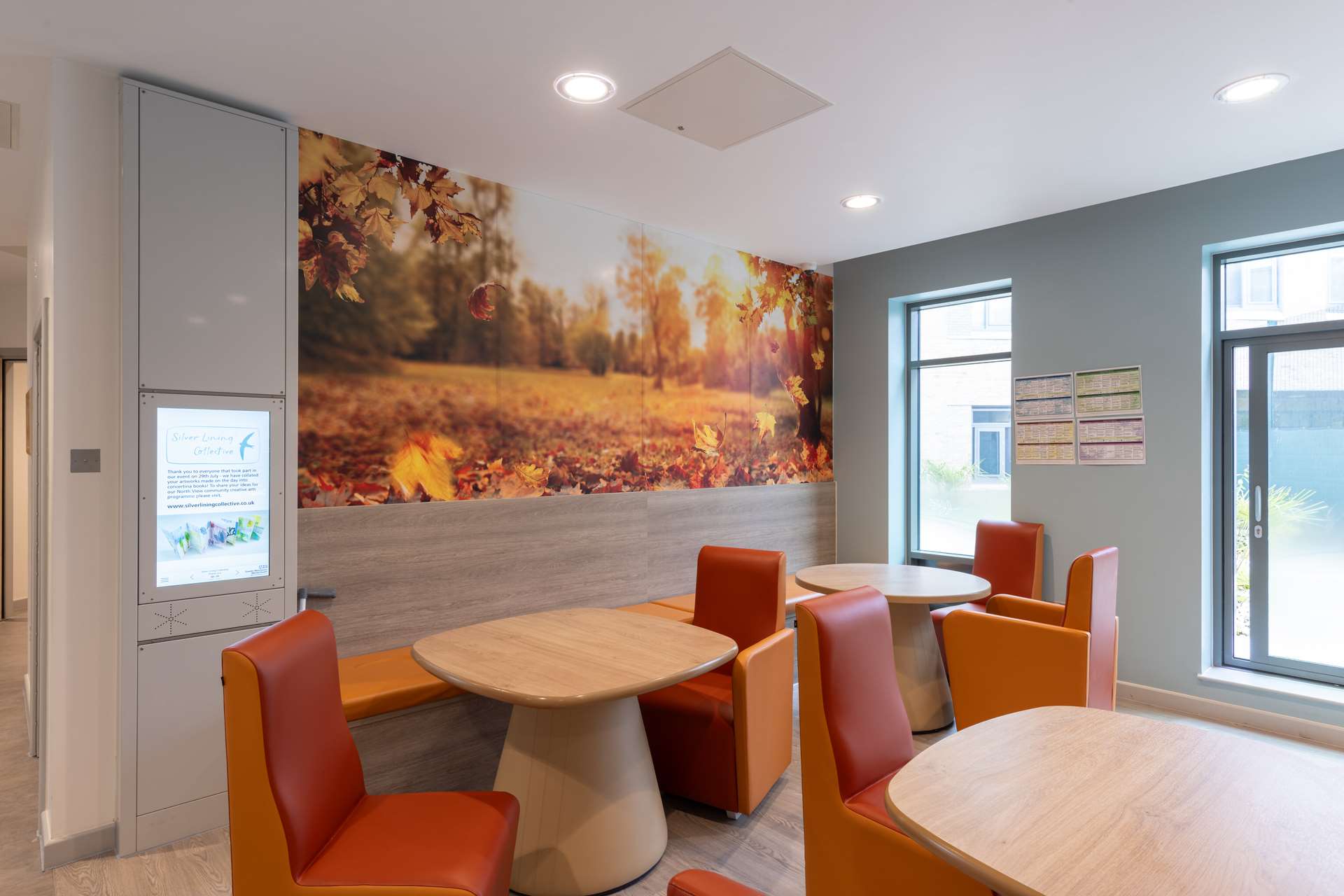
The UK government's 10-Year Health Plan commits to creating an NHC in every community, with 250 centres planned nationally and 100 to be delivered by 2030. But delivering this vision is not just about building new facilities. It is just as much about how existing spaces are designed, used and adapted over time.
Making better use of what already exists
Across the NHS, many buildings are underused, while funding for new infrastructure remains limited. That makes the case for starting with the estate that already exists.
Refurbishing and reconfiguring existing buildings can unlock additional capacity far more quickly than new construction. In many communities, the right space is already in place and simply needs to be adapted to support modern, community-based care.

Designing for flexibility
Neighbourhood Health Centres work best when spaces can flex. Moving away from single-use rooms and towards shared, multi-functional areas helps services work together and respond to changing needs.
Layouts that support collaboration and shared use make better use of space and create environments that work around people, not departments. The result is improved productivity and a better experience for both patients and staff.
Supporting smarter ways of working
In busy healthcare settings, it is often the small details that make the biggest difference. Surfaces, finishes and layouts all affect how spaces cope with daily use, frequent cleaning and long-term change.
Altro flooring and wall systems are designed to support these demands. Robust, easy-to-clean surfaces help maintain hygiene, reduce downtime and stand up to frequent cleaning, impact and movement. When these elements are considered together as part of a joined-up system, spaces are easier to maintain and better able to adapt over time.
Smarter spaces through data and technology
NHCs that combine flexible design with data-led management are better placed to respond to future demands without constant rebuilding.
Better insight into how space is used enables more informed decisions, from extending opening hours to adapting layouts and improving sustainability.
Standardise to deliver at pace
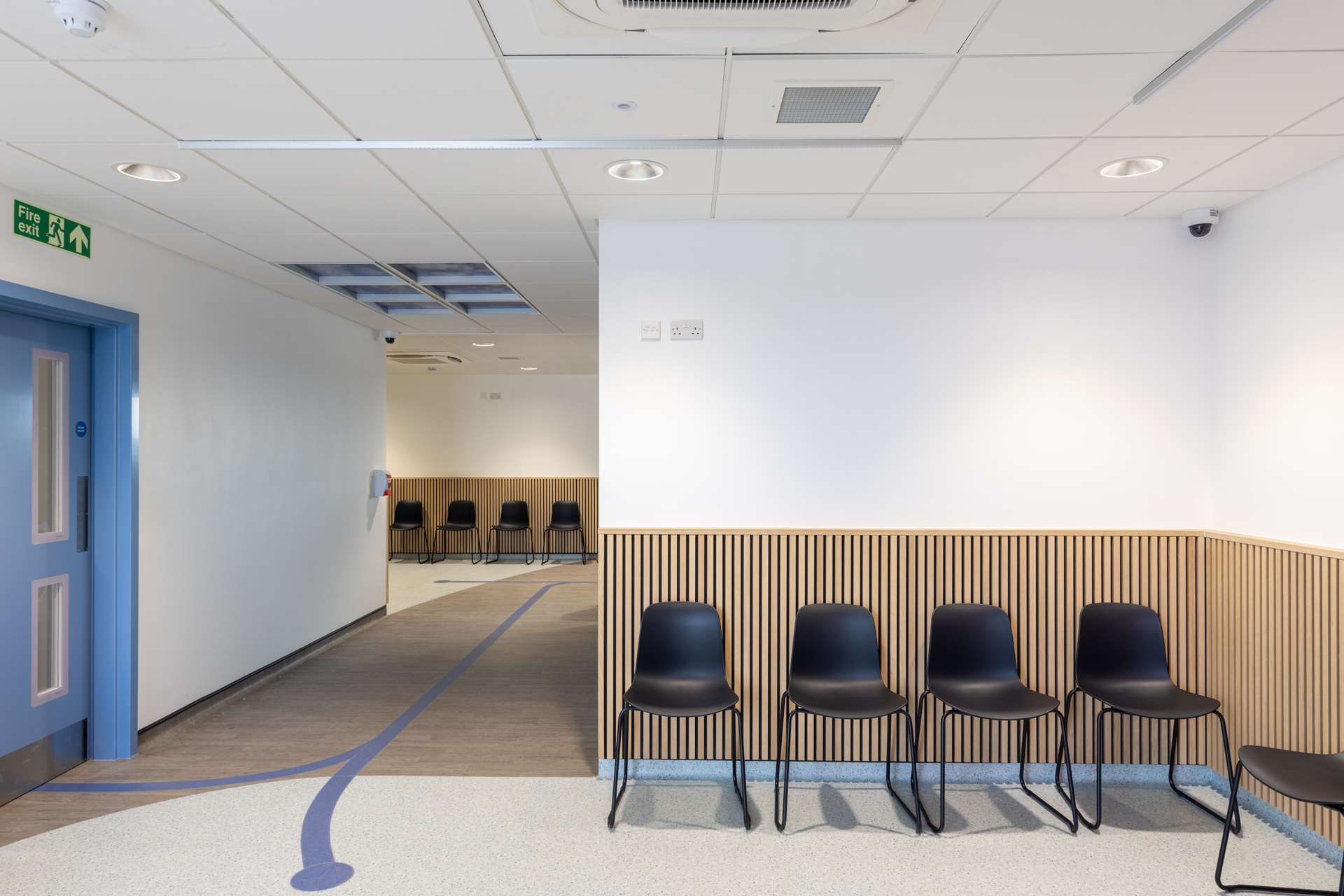
With 250 NHCs planned nationally, repeatable approaches matter. Standard principles, simplified layouts and streamlined delivery routes can reduce timescales and cost, while still allowing local tailoring. The more consistent the model, the faster systems can move.
Layouts that support collaboration and shared use make better use of space and create environments that work around people, not departments. The result is improved productivity and a better experience for both patients and staff.
A practical path forward
For many communities, the route to a Neighbourhood Health Centre starts with what is already there: the existing estate, used better, supported by data, delivered through practical refurbishment, and designed for flexibility.
If you are exploring how your buildings could support neighbourhood care - now and in the years ahead- we are always happy to talk through options and share practical experience.