

Can't see the region you're looking for? You can find a list of our global locations here
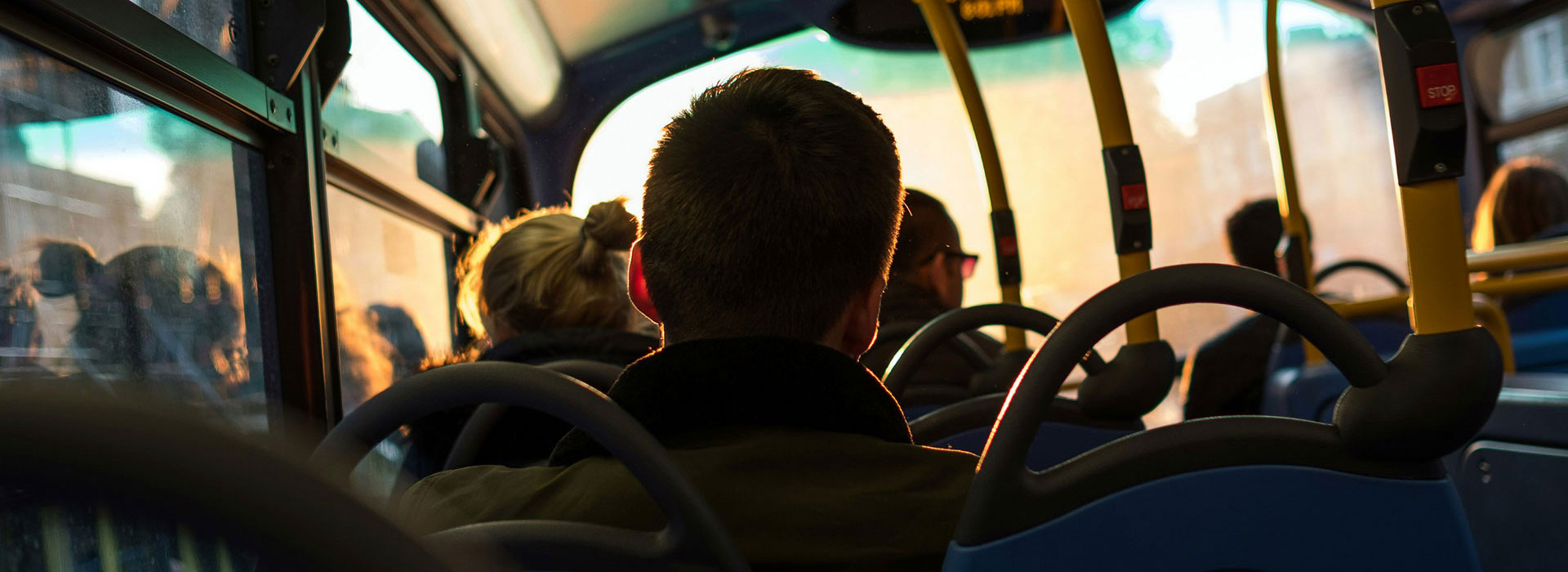
Almost 20% of the global population is neurodivergent, that equates to around 122 million people in Europe alone. But despite this incredible statistic there is no provision to support the access of neurodivergent passengers onto public transport.
Altro transforms spaces to enhance people’s emotional and physical wellbeing. With many years of experience in developing spaces that are neuroinclusive in the built environment, we are now - alongside our partners - harnessing this information to benefit transport interiors.
We are committed to neuroinclusive design, and better accessibility means higher ridership, stronger communities and local economies.
Through this page you can learn more about the work we’re doing to improve accessibility in public transport, our partners, and much more.
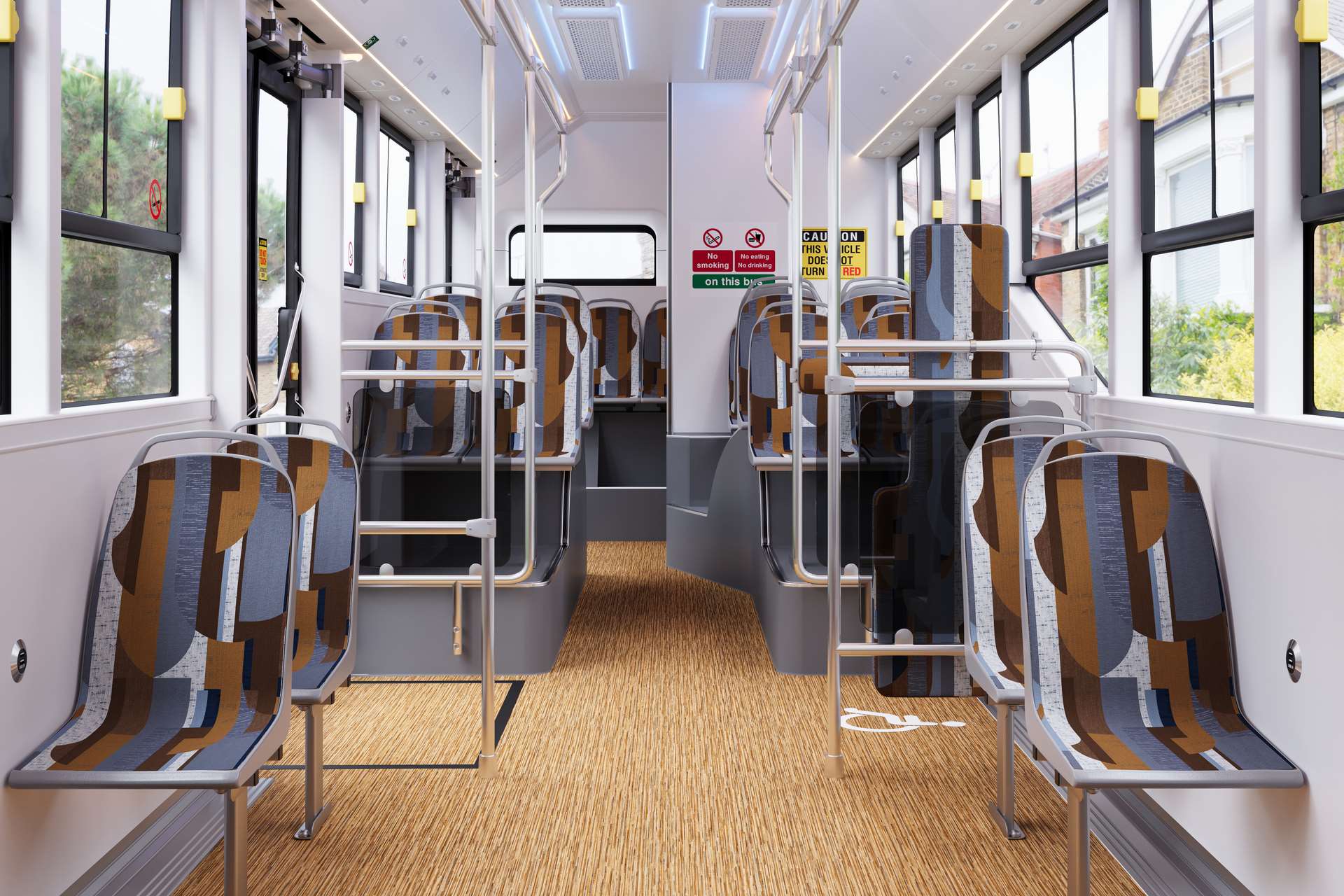
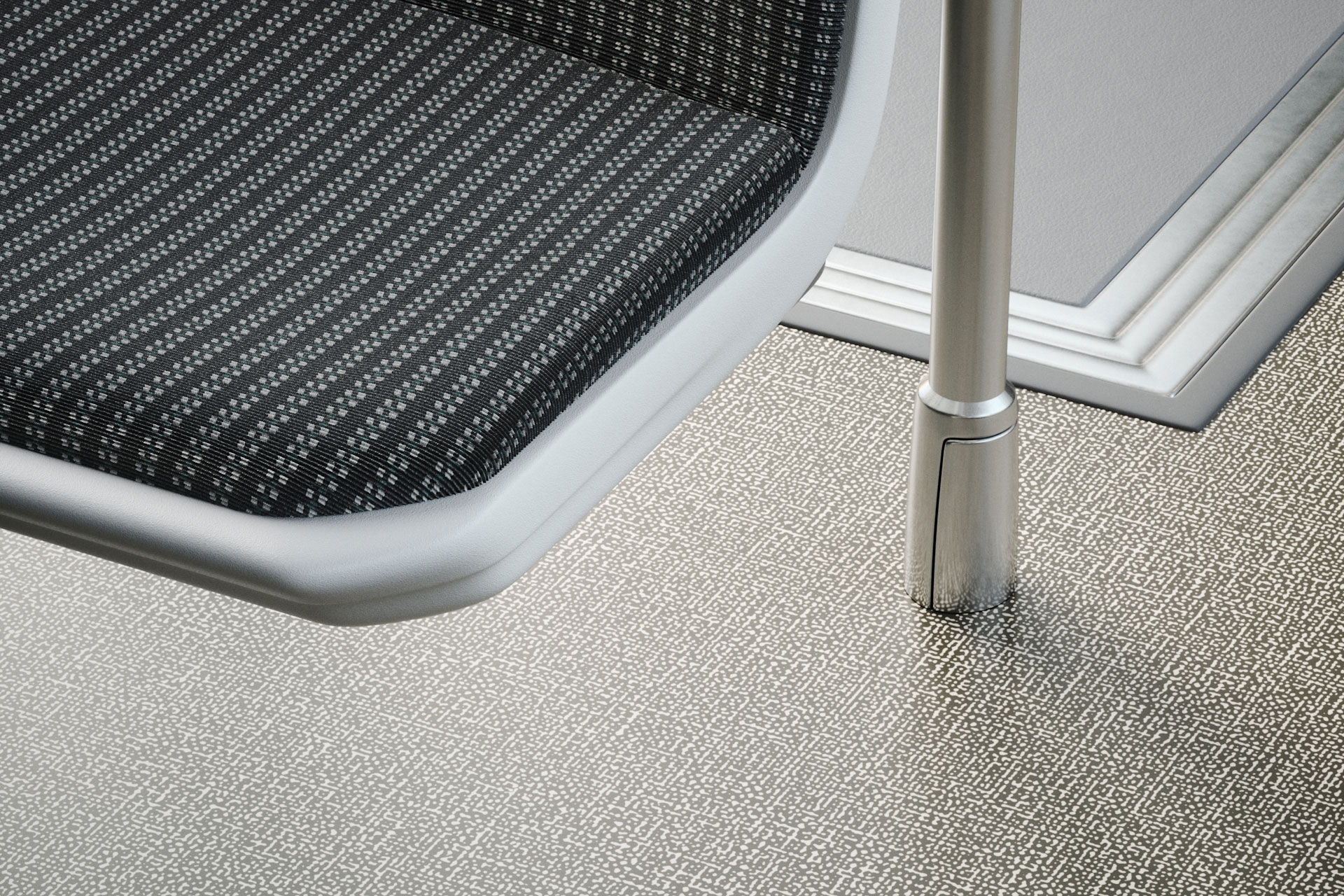
A resilient 2.2mm compact bus floor available in 25 contemporary designs including 14 wood options.

A lightweight 2.85mm compact-acoustic bus floor available in 12 contemporary designs including 7 wood options.

A 3.9mm full-acoustic bus floor available in 8 contemporary designs including 5 wood options.
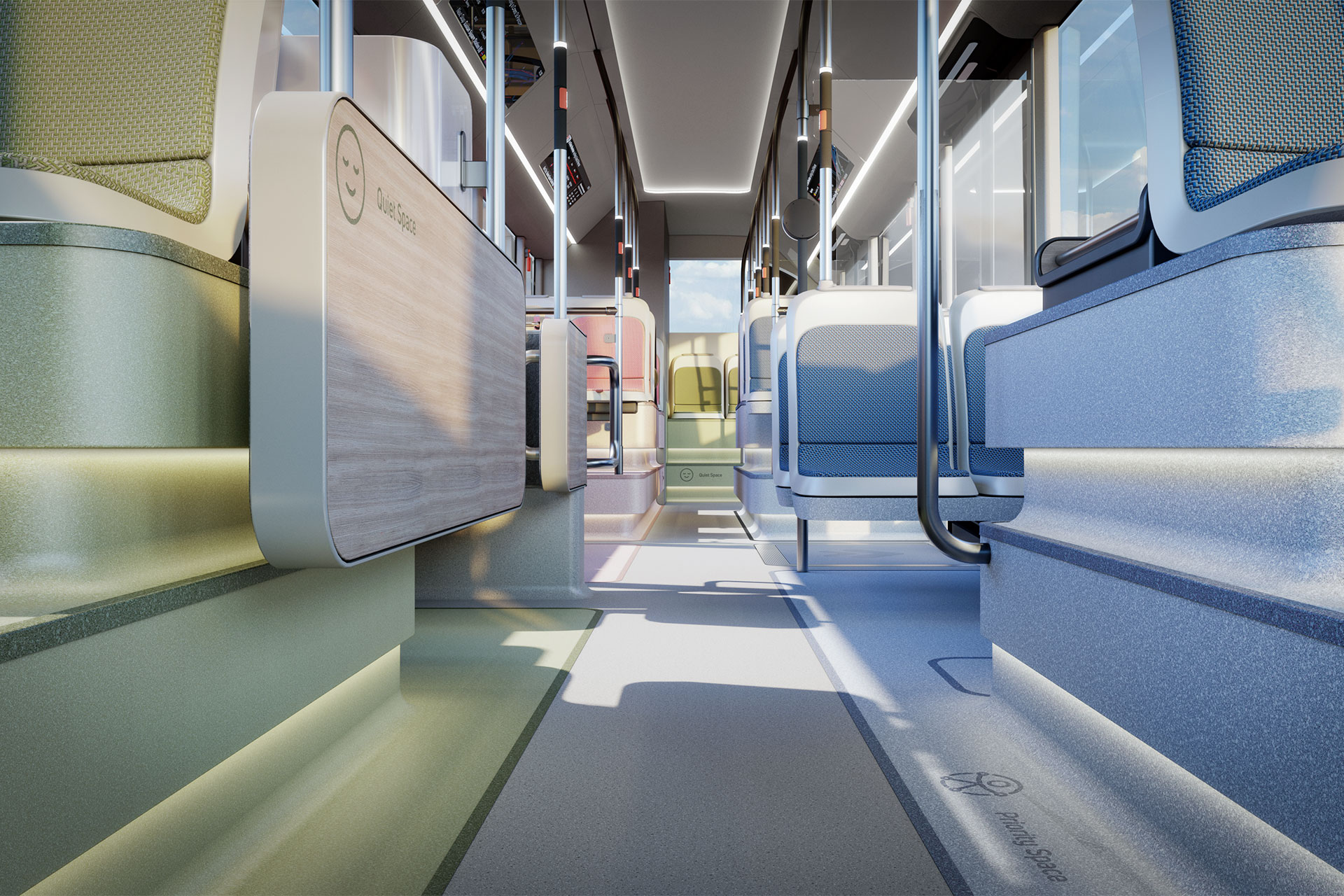
The concept – developed as a response to the challenges faced by neurodivergent passengers – has been created in a collaboration between Altro Global Transport and renowned German design house Neomind. The innovative interior addresses the needs of the UK’s estimated 9.7 million neurodivergent individuals – equivalent to 15% of the population.
Find out moreOver the course of our research into the challenges facing neurodivergent people, a vast array of statistics and insights have been uncovered. Autistica’s report on Neurodiversity and Public Transport highlights challenges facing the community and the optimal solutions.
Find out more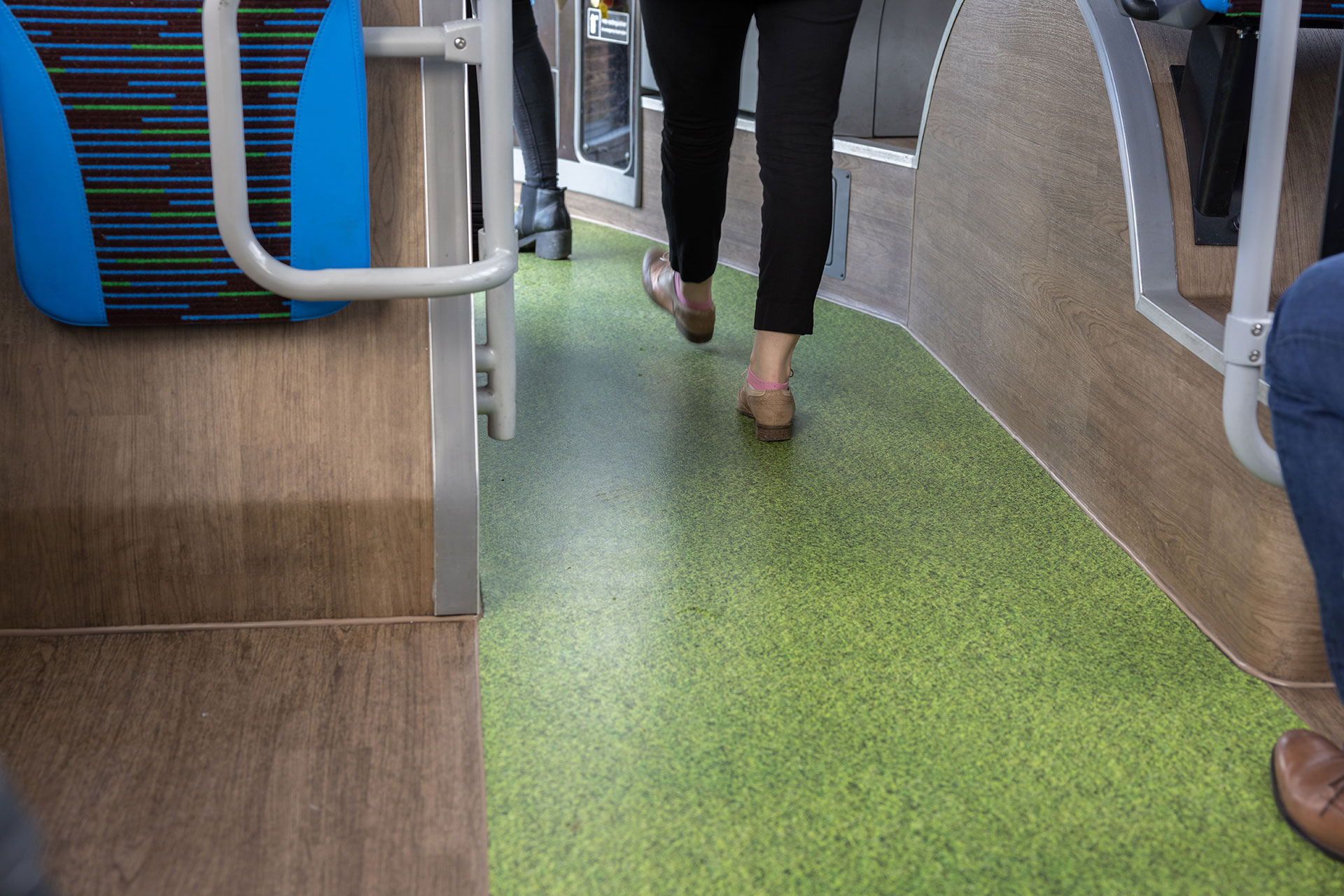

Neurodiversity refers to natural variability in how brains work. The term acknowledges the variety of ways people can experience and interact with the world or learn and process information. The neurodiversity movement is a social movement that aims to overcome the over-medicalisation of neurodivergent people. It supports a ‘differences, not deficits’ understanding of the different ways our brains work.
Find out moreInclusive design is founded on the principle of creating environments that are accessible and usable by everyone, regardless of age, ability, or background. It seeks to eliminate barriers and actively prioritise human diversity by placing people at the heart of the design process.
Find out more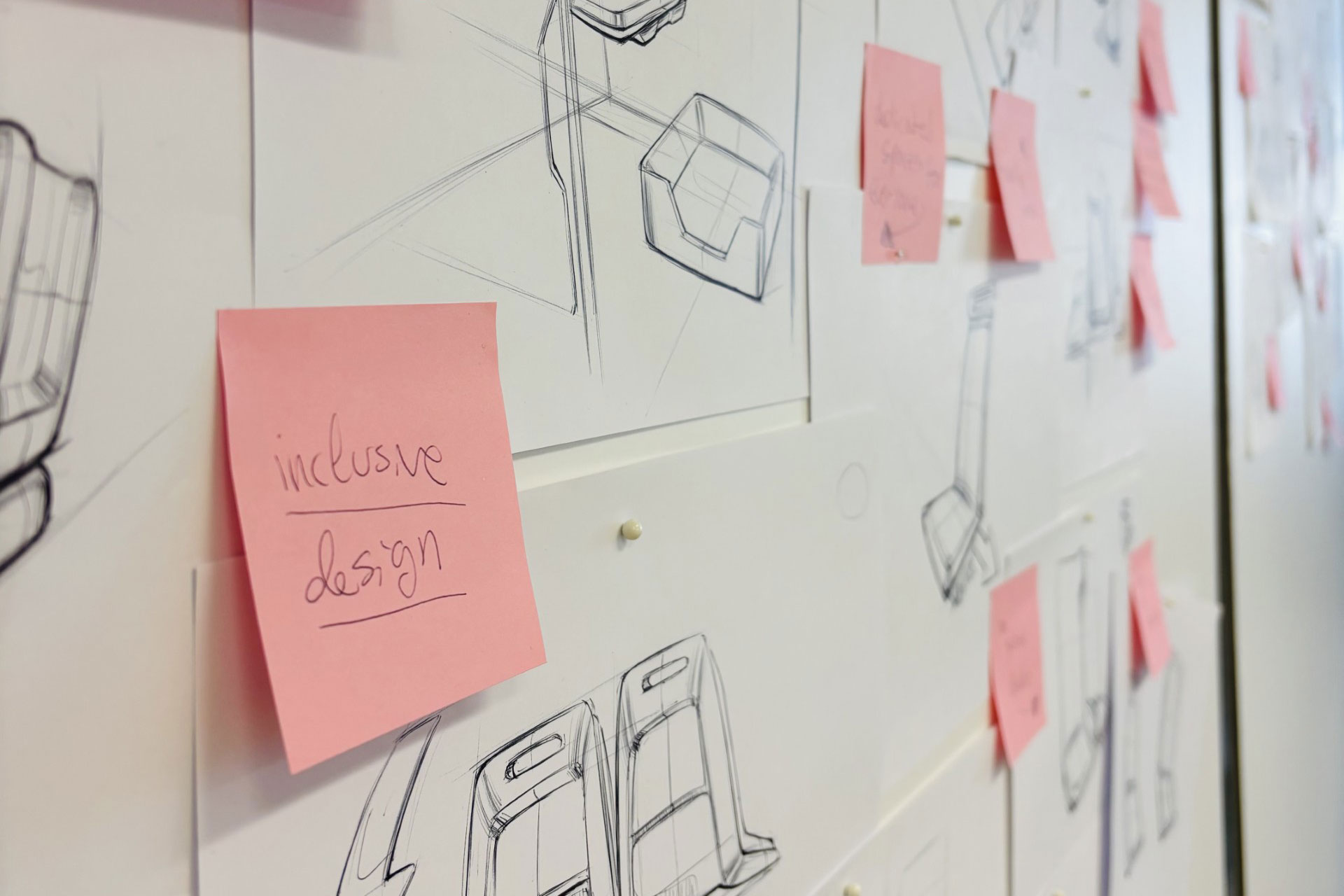
Altro partners with the University of Stirling’s Dementia Services Development Centre (DSDC) to assess our product suitability to be specified in Dementia-friendly environments.
Find out moreWe collaborate with manufacturers, designers, charities, and transport operators to deepen our understanding of neuroinclusive design and broaden its impact. Through these partnerships, we not only advance research and innovation but also help raise awareness across diverse networks, encouraging the adoption of inclusive practices throughout the industry.
Find out more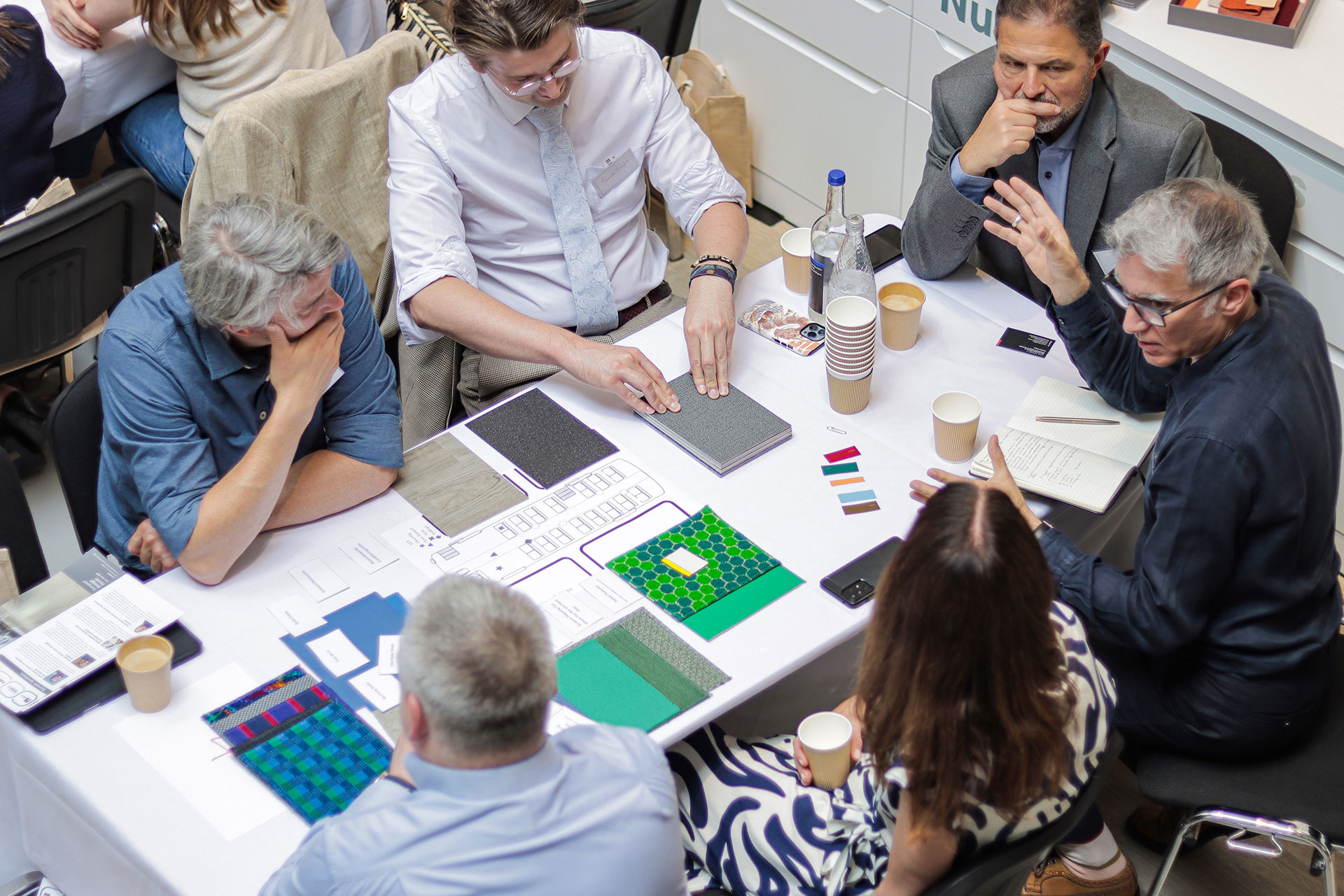
Altro Transflor Artis, Altro Transflor Metris and Altro Transflor Sonis Sonis have designs that are DSDC Dementia Approved. Therefore, the natural, mineral style designs within the range can be considered as neuroinclusive flooring solutions.
Neurodiversity is the idea that human brains naturally vary, and these differences in thinking, learning, sensing, and behaving are a normal part of the human population, not defects that necessarily need to be fixed.
There is no single definitive list, but several well-recognised neurological and developmental conditions commonly fall under it. The conditions most consistently noted as forms of neurodivergence include:
Neurodivergent is commonly associated with neurodevelopmental differences, whereas neurodegenerative diseases are a group of disorders that cause progressive damage.
Neuroinclusive colour palettes typically use soft, muted, or low-contrast tones that are naturally inspired
There is no single universal palette when considering neurodivergent people, however, nature-derived tones are consistently calming and widely tolerated.
Avoid high-intensity, highly saturated colours. Opposite-wheel pairings, for example bright blues vs bright oranges, create chromatic contrasts that can cause discomfort or disorientation.



 Live chat