
Can't see the region you're looking for? You can find a list of our global locations here
Over the course of our research into the challenges facing neurodivergent people, a vast array of statistics and insights have been uncovered. Autistica’s report on Neurodiversity and Public Transport highlights challenges facing the community and the optimal solutions.
An estimated 1 in 7 people in the UK are neurodivergent, which is around 14 million people. It’s clear that there is a huge opportunity for operators to not only increase ridership, but also to increase the independence and mobility of the neurodivergent community.
Neurodivergent people are also statistically more likely to use public transport than neurotypical individuals. Only 39% of neurodivergent people drive regularly compared to 60% of neurotypical people.
Autistica’s report uncovers many barriers facing neurodivergent passengers when it comes to using public transport, including high sensory demands like noise, touch or smell.
91% of neurodivergent individuals are impacted by noise during travel, while 83% report significant barriers from the effort required for journeys.
As part of the research, key facilitators of travel were investigated to better understand how the sector can improve accessibility. A key highlight was that quiet zones (83.1%) and single seating options (81.5%) were spotlighted as important elements of inclusive travel.
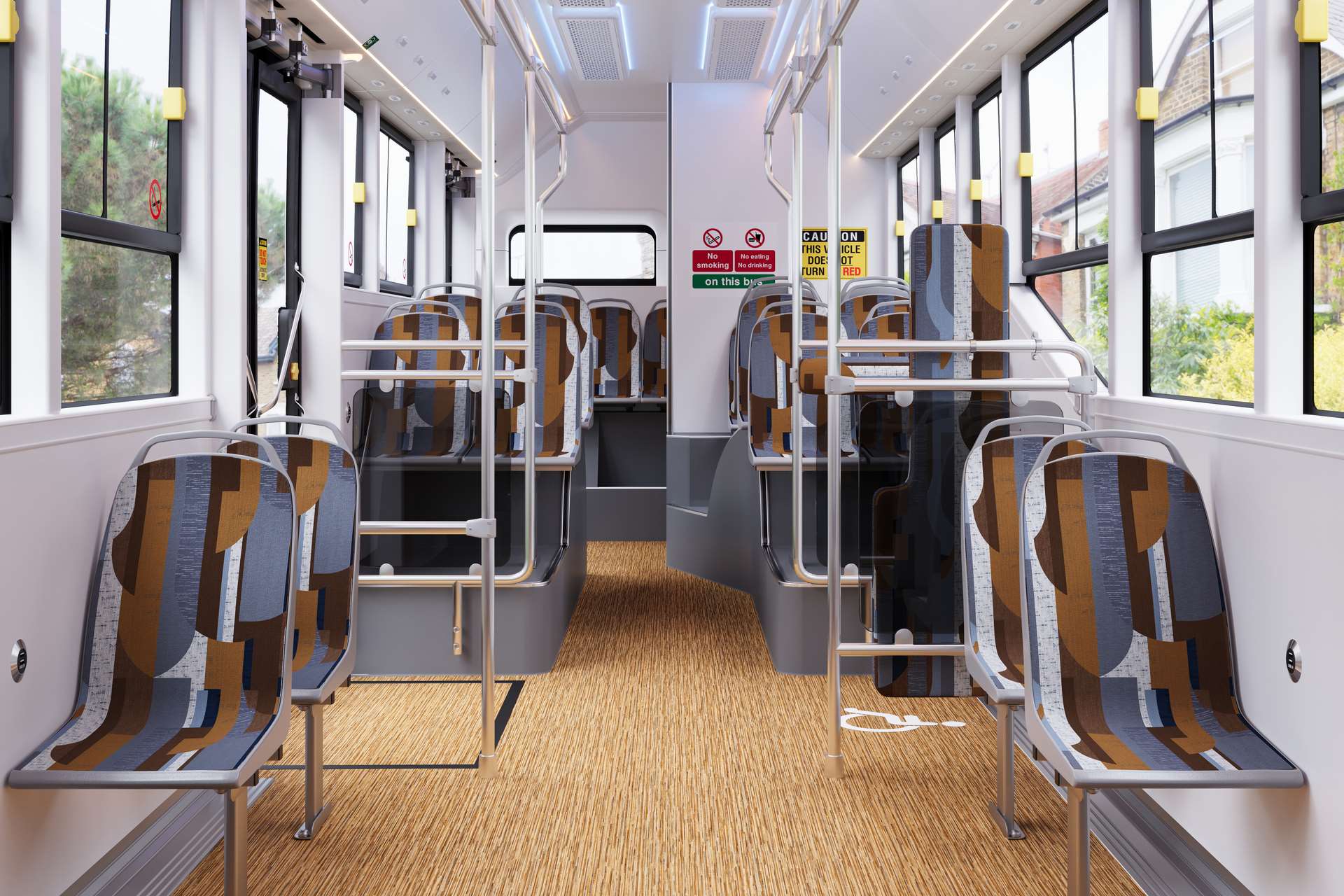
A resilient 2.2mm compact bus floor available in 25 contemporary designs including 14 wood options.

A lightweight 2.85mm compact-acoustic bus floor available in 12 contemporary designs including 7 wood options.

A 3.9mm full-acoustic bus floor available in 8 contemporary designs including 5 wood options.