
Can't see the region you're looking for? You can find a list of our global locations here
Neurodiversity refers to natural variability in how brains work. The term acknowledges the variety of ways people can experience and interact with the world or learn and process information. The neurodiversity movement is a social movement that aims to overcome the over-medicalisation of neurodivergent people. It supports a ‘differences, not deficits’ understanding of the different ways our brains work. Neurodiversity is typically used in a broad, societal sense and reflects the broader spectrum of how all human brains can function.
Neurodivergent is a term used to describe people whose brain functions differently from dominant societal standard of ‘normal’. While there is no universally agreed-upon definition of which groups fall under this term, it is commonly associated with neurodevelopmental differences for example, autism, ADHD, dyslexia, or dyspraxia.
Neurotypical is a term for a person who does not have any neurodivergent conditions; their brain functions in a way considered “typical” by societal standards. Example: In comparison with neurodivergent people, neurotypical people face fewer barriers to using public transport.
Neuroinclusive is a term that refers to being inclusive of neurodivergent people. Within public transport, this refers to policies, services and infrastructure that are developed to create an environment that is suitable for people of varying neurotypes.
Neurodegenerative diseases are a group of disorders that cause progressive damage
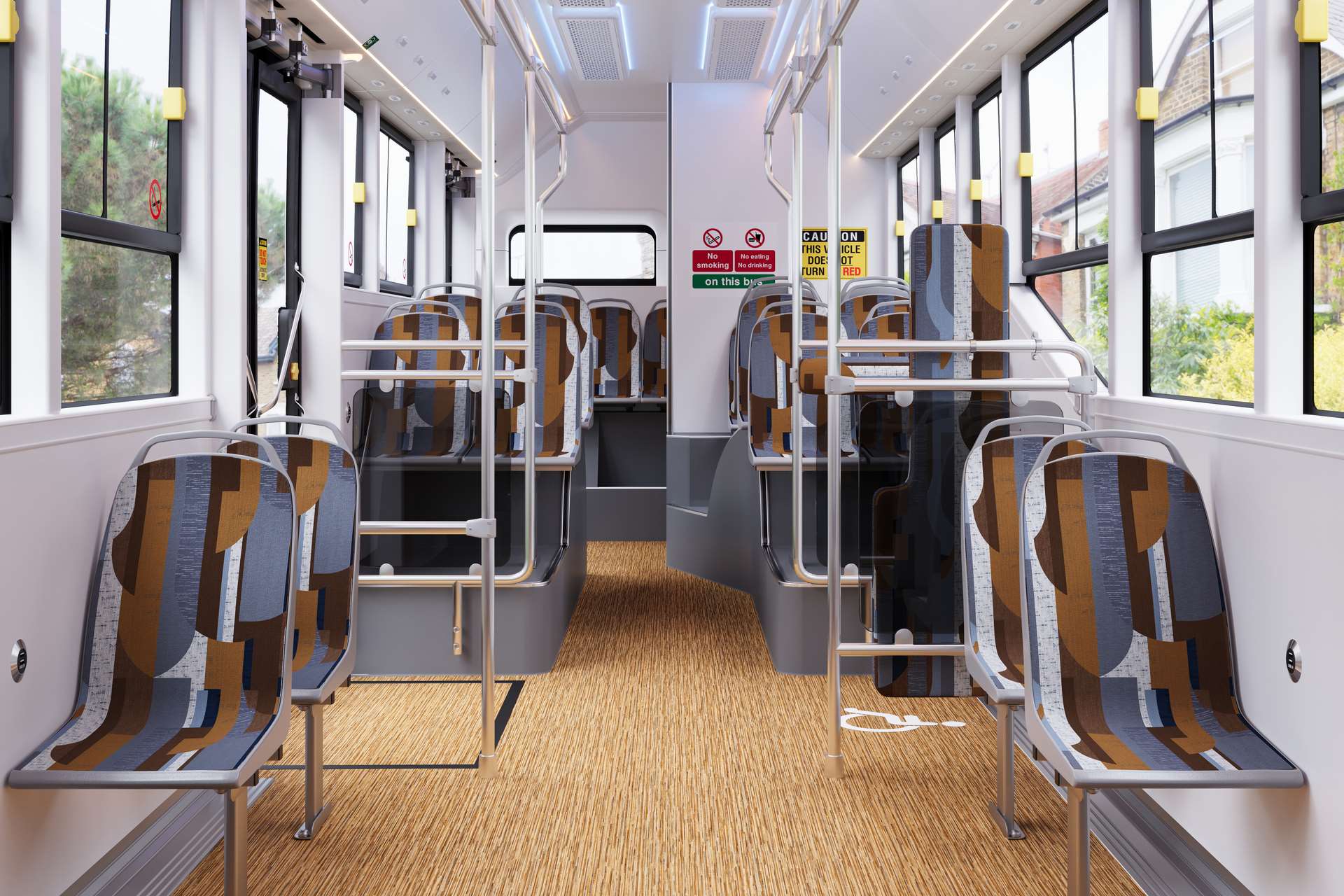
A resilient 2.2mm compact bus floor available in 25 contemporary designs including 14 wood options.

A lightweight 2.85mm compact-acoustic bus floor available in 12 contemporary designs including 7 wood options.

A 3.9mm full-acoustic bus floor available in 8 contemporary designs including 5 wood options.